
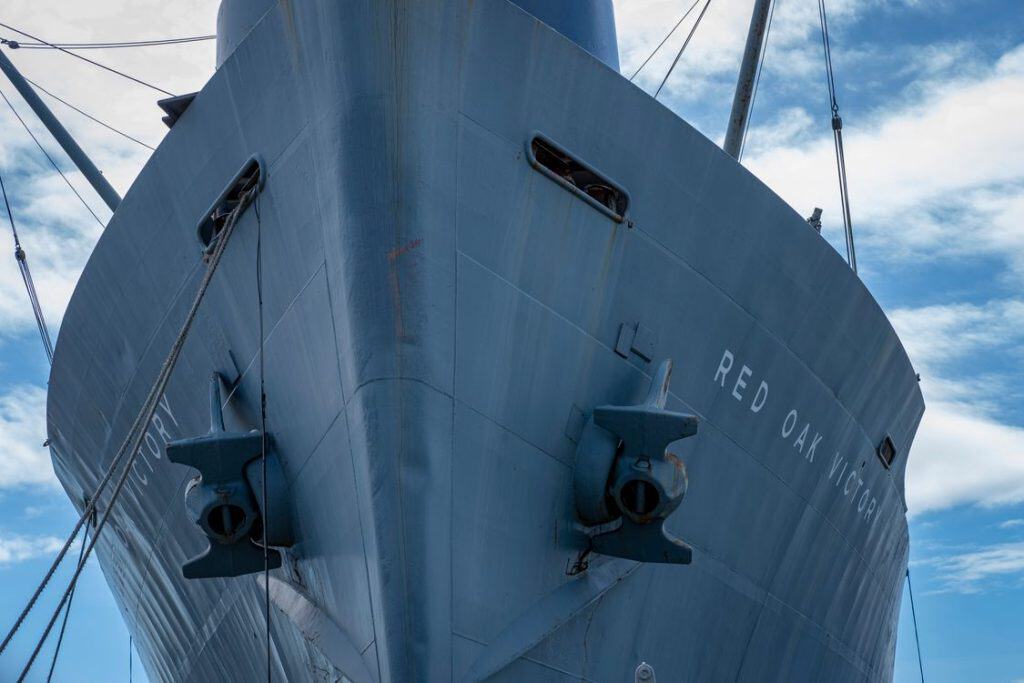
For decades, American shipbuilding was a story of quiet decline. Now it is a story of political urgency, with the federal government openly determined to rebuild an industry that has shrunk to a sliver of the global market. At the heart of any such revival sits a basic input: the high-strength steel that ships are made of.
Whether the revival succeeds or not, the attempt is reshaping conversations about where hull steel gets made and bought.
A lopsided global market
The starting point is stark. Shipbuilding has become overwhelmingly concentrated in Asia, with Chinese yards capturing the majority of global new orders in recent years and South Korea and Japan taking most of the rest.
The United States, by contrast, builds almost no commercial ocean-going ships. Its share of the global commercial orderbook has dwindled to a rounding error.
Washington has decided that is a strategic problem. In April 2025, the White House issued an executive order on restoring U.S. shipbuilding, aiming to rebuild both commercial and naval maritime capacity.
That order, paired with proposed fees on Chinese-built vessels and legislative incentives, signals a serious, sustained policy push rather than a one-off gesture.
Why ships need their own steel
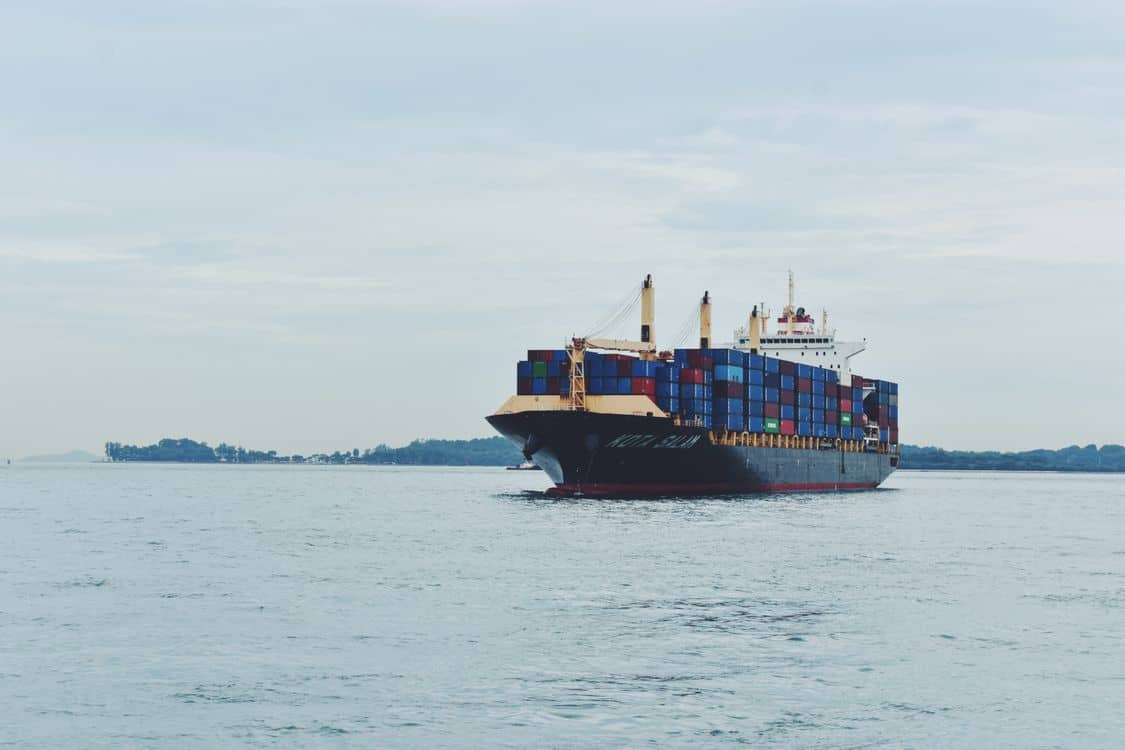
A ship’s hull is not built from ordinary structural steel. It has to be strong enough to carry the loads, tough enough to resist fracture in cold seas, and weldable enough to assemble into enormous structures.
That is why the industry uses dedicated grades. Higher-strength shipbuilding steel plate, designated in grades such as AH36, DH36, and EH36, combines elevated yield strength with controlled low-temperature toughness tailored to marine service.
The letters and numbers matter. The 36 denotes the higher strength level, while the A, D, and E grades reflect increasing requirements for toughness at progressively lower temperatures, so a builder can match the steel to the service the vessel will see.
That higher strength lets naval architects build lighter, more efficient hulls than mild steel would allow, which improves cargo capacity and fuel economy over a ship’s long life.
It is exacting material, certified to the rules of classification societies, because the consequences of hull steel failing at sea are severe.
What a revival could mean for steel
For steel suppliers, the U.S. shipbuilding push is a long-term question mark with real upside.
Rebuilding shipbuilding capacity is a slow, capital-intensive undertaking, and no one expects America to challenge Asian dominance quickly. International partnerships are already forming, with foreign shipbuilders investing in U.S. yards to transfer expertise and modern techniques.
If even part of that ambition materializes, it implies new domestic demand for certified shipbuilding plate, a product the U.S. market has had little reason to source at scale for years.
Naval shipbuilding adds another dimension. A push to expand the fleet means sustained demand for hull and structural steel regardless of how the commercial revival fares.
The global shipbuilding market will remain centered in Asia for the foreseeable future. But the determined effort to rebuild American capacity is worth watching, because if it gains traction, it will create demand for high-strength hull steel in a market that has not needed much of it in a very long time.