

Anyone who’s tried to get a specialist referral moving quickly in the past year has probably noticed the wait stretching out. It isn’t a Brisbane quirk. The problem is structural, and it’s playing out across the country.
A workforce that hasn’t kept pace
Australia currently has around 590 practising dermatologists, which works out to roughly two specialists for every 100,000 people in the country. Against a population where two in three Australians will develop some form of skin cancer by age 70, that ratio looks thin.
The Australasian College of Dermatologists only graduates 20 to 25 new specialists a year. Training positions are capped by funding, not by a shortage of interested doctors, so the bottleneck is administrative as much as it is medical.
College representatives have pushed for a roughly 50 percent increase in registrar numbers, arguing the current training pipeline was built for a much smaller population than Australia now has. A proposed $6 million investment over four years, spread across additional training positions, is a modest ask given the size of the shortfall it’s meant to address.
Even if that funding materialises, the earliest graduating cohort under an expanded program won’t enter the workforce until 2027 at the soonest. That lag is the part patients rarely see: policy fixes take years to show up as shorter waitlists.
What this looks like on the ground
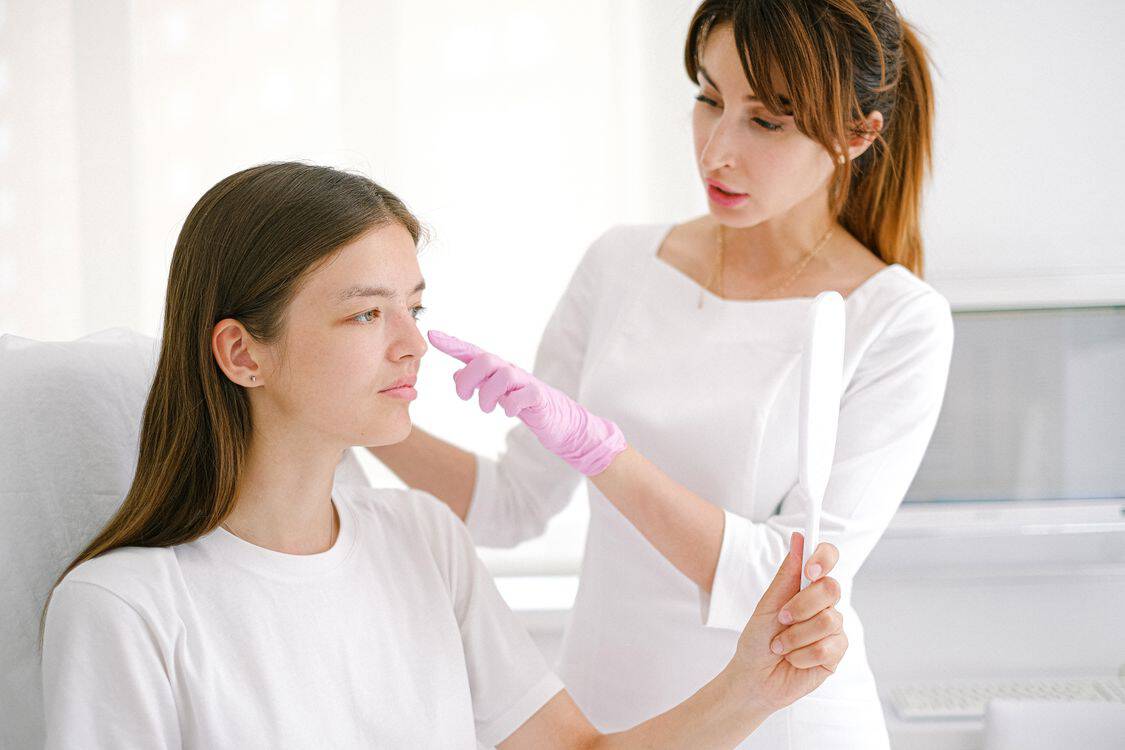
In practice, GPs are fielding more skin checks themselves, referral queues are longer, and patients with non-urgent but still concerning lesions can wait months for a specialist opinion. Regional patients feel this most acutely, but even inner-city Brisbane clinics report booking calendars filling out weeks in advance.
Clinics that can offer rapid nurse triage or shorter windows between referral and consultation have become disproportionately valuable in this environment. Patients who do get seen promptly, including those seen by the Dermatology Clinics Australia team in Newstead, increasingly describe that speed as the deciding factor in where they book.
The way people judge a clinic has shifted. Five years ago the conversation was mostly about technology and technique. Now it’s just as often about whether you can get in the door within a reasonable timeframe.
Where the pressure goes next
Pilot programs in Townsville and Darwin are testing telemedicine models and visiting specialist arrangements to stretch the existing workforce further. Whether similar approaches expand into South East Queensland depends largely on funding decisions still working their way through health department budgets.
Inadequate Medicare rebates for private dermatology consults compound the problem, pushing out-of-pocket costs higher for patients who are already reluctant to seek care early. Workforce researchers see this as a parallel issue to raw specialist numbers, since even a bigger workforce wouldn’t fix access if cost remains a barrier for lower-income patients.
Some proposed remedies look outside the traditional specialist-only model entirely. Extending limited prescribing or triage authority to appropriately trained nurses and GPs, an approach already used overseas, keeps coming up in workforce discussions, even though it remains politically contentious among some specialist bodies protective of scope-of-practice boundaries.
In the meantime, the advice from workforce researchers is simple: book early, don’t wait for a lesion to change before seeking an opinion, and treat a same-week nurse consult as a real advantage rather than a nice-to-have. The shortage is a system-level problem, but individual patients still have to work around it one appointment at a time.
Brisbane’s dermatology capacity isn’t shrinking. Demand is growing faster than supply, and that gap is the real story behind the longer waits patients are reporting this year. A longer wait isn’t evidence of a badly run clinic. It reflects a national capacity problem that no single practice can solve on its own.