Summer in southern Australia has always run hot, but the last few years have pushed into territory that older homes were simply never designed for. The numbers from early 2026 made that impossible to ignore.
For a lot of households, the heat is no longer an occasional inconvenience. It is a recurring test of how well a home can keep the outside out.
Records Falling in Real Time
In late January 2026, a powerful heat dome settled over the country and pushed temperatures to extraordinary levels across the southeast. Victoria recorded a new all-time high of 48.9 °C, surpassing the previous state record set back in 2009.
It was not a one-off spike, either. The episode was a prolonged, severe-to-extreme heatwave, with the Bureau of Meteorology issuing warnings across every mainland state and total fire bans declared statewide in Victoria.
Even in Melbourne, away from the record-setting northwest, recent summers have delivered clusters of unusually hot days and warm, sleepless nights. Long-range forecasting has repeatedly leaned toward above-average summer temperatures.
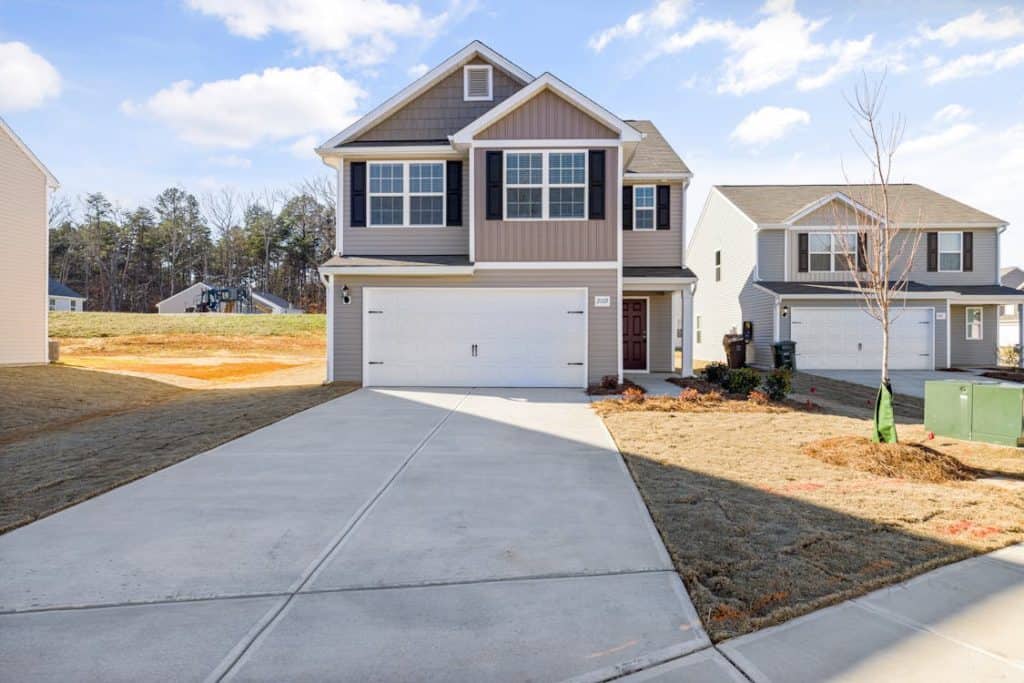
The problem is that much of Australia’s housing stock was built for a gentler climate. Large windows, lightweight construction and minimal external shading were design choices made when 40-degree stretches were rarer.
Why Windows Decide How Hot a Room Gets
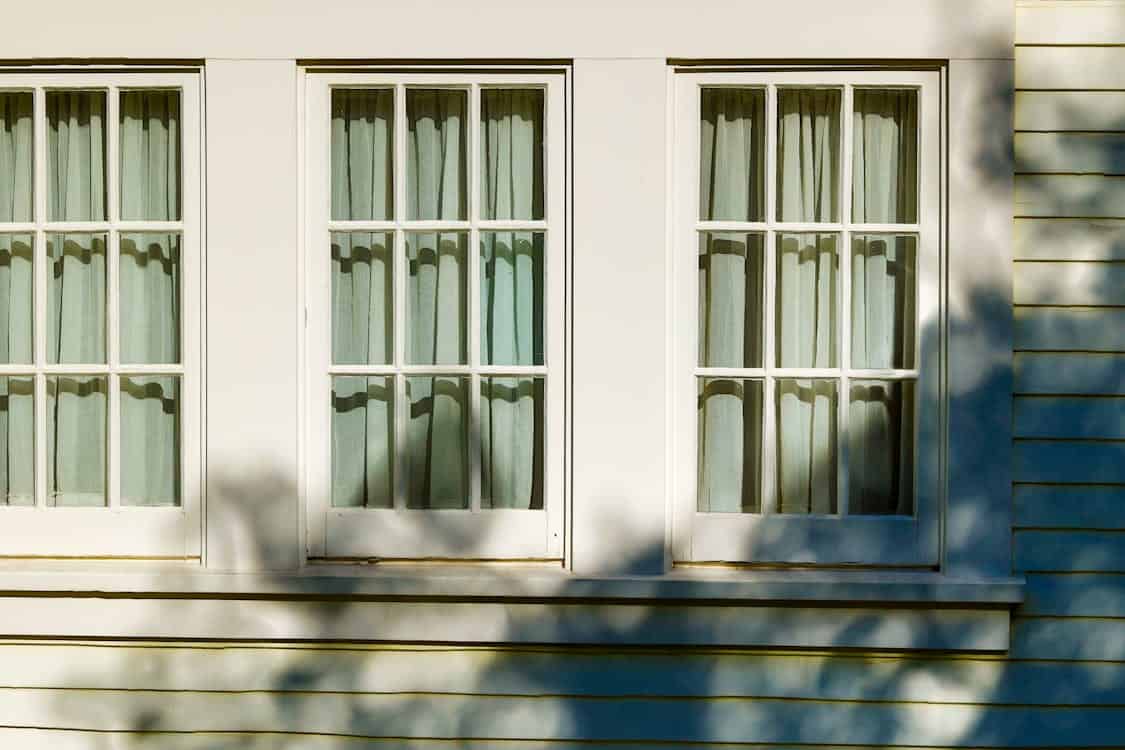
On a scorching day, a huge amount of unwanted heat enters a home through its windows as direct solar radiation. Sun hits the glass, passes straight through, and warms everything inside like a greenhouse.
Once that heat is in, air conditioners fight a losing and expensive battle to remove it. The far more efficient strategy is to stop the heat before it ever gets through the glass, which means shading the window on the outside.
This is the logic behind external shading generally, and it is why premium roller shutters are valued in hot climates: a closed external shutter intercepts sunlight before it reaches the pane, keeping the room substantially cooler and easing the load on cooling systems.
Internal blinds and curtains help less, because by the time the sun has passed through the glass to reach them, the heat is already inside. The barrier has to be on the outside to do the heavy lifting.
Adapting Older Homes to a Hotter Normal
There is no single fix for heat, and the best results come from combining measures: ceiling insulation, draught sealing, smart use of cooling, and external shading on the windows that catch the most sun.
Orientation matters too. North and west-facing windows take the brunt of summer sun and are usually where shading delivers the biggest comfort gain for the money.
With state temperature records now being broken rather than merely approached, retrofitting older homes for heat resilience is shifting from a comfort upgrade to something closer to a necessity, particularly for households with elderly or vulnerable members for whom extreme heat is a genuine health risk.
The climate has moved faster than the housing stock. Closing that gap means treating summer heat as a design problem to be managed at the window, not just an electricity bill to be endured.