
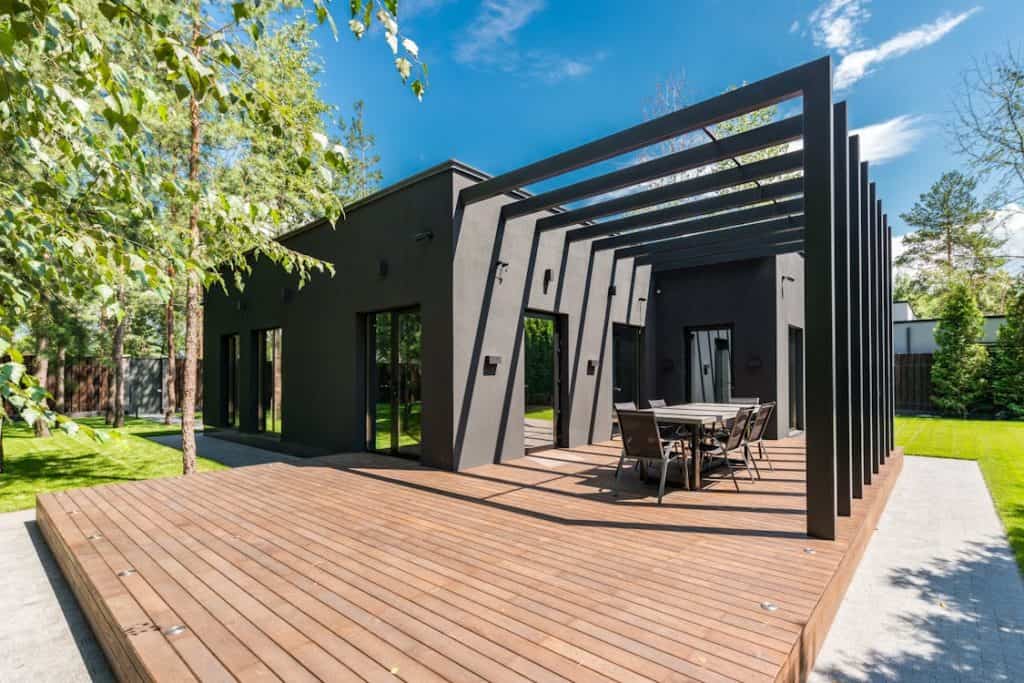
Most of the news coverage around metal tariffs has stayed at the altitude of national trade policy, where it reads as abstract and far removed from a homeowner’s backyard. But a proclamation signed this spring has a surprisingly direct line to the price a family in Henderson pays for an aluminum patio cover.
The connection runs through a single material. Patio covers in the desert Southwest are overwhelmingly aluminum, chosen because it resists the heat, sun, and temperature swings that destroy wood. And aluminum just became one of the most heavily taxed imported materials in the country.
Understanding what changed, and what it rewards, explains a lot about why two patio quotes for seemingly identical projects can now diverge in ways they did not a year ago.
How a Single Proclamation Changed the Cost Math
On April 2, 2026, the administration issued a proclamation significantly restructuring the Section 232 tariffs on steel, aluminum, and copper, with the changes taking effect on April 6. The headline rate for aluminum articles is now 50 percent.
The more consequential change is buried in the mechanics. Tariffs now apply to the full customs value of an imported product rather than only to the value of the metal content inside it, which raises the effective cost of a wide range of finished and semi-finished goods.
For an industry built on extruded aluminum components, that is not a rounding error. It is a structural shift in what imported raw material and imported finished parts cost to bring into the country.
The policy was designed to push buyers toward domestic metal, and in the patio cover world that pressure flows straight down to the quote a homeowner receives.
Why Domestic Aluminum Suddenly Has an Edge
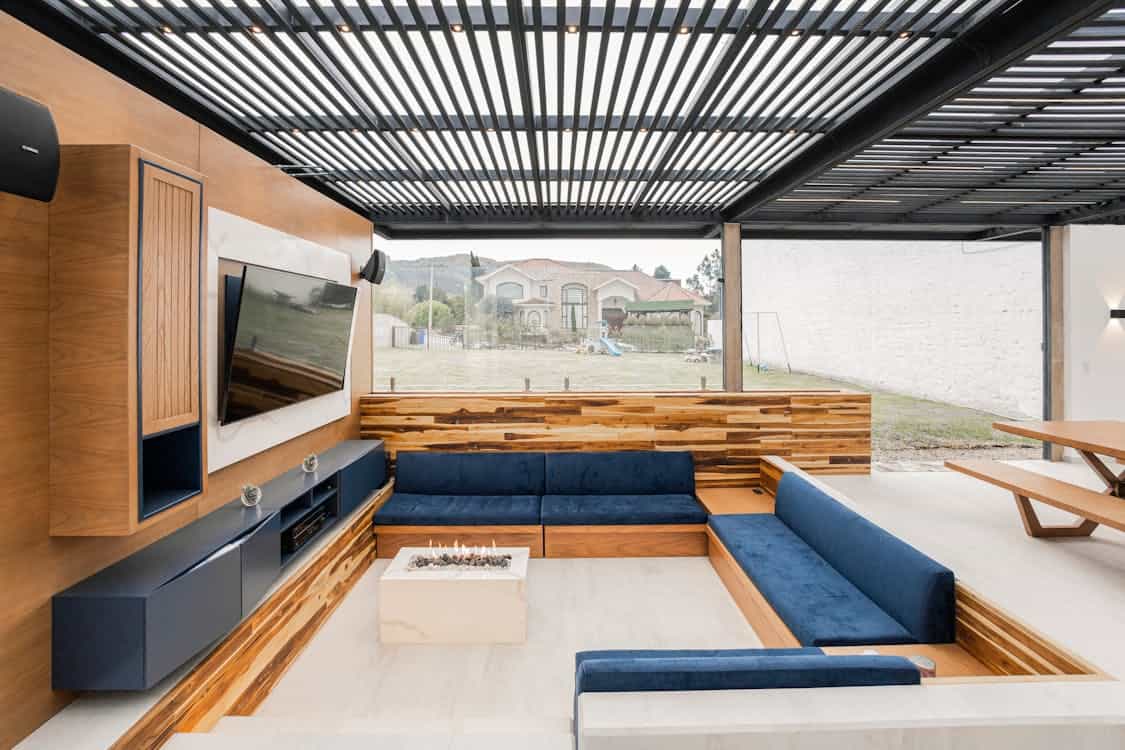
The restructured framework does something specific that rewards American-made material. Derivative aluminum products made with domestic metal are subject to a 10% tariff rather than the 50 percent rate applied to comparable imported articles.
That gap is enormous. A product line built on aluminum smelted and cast in the United States now sits in a completely different cost tier than one dependent on imported metal, and the spread is wide enough to reshape who can compete on price.
This is exactly why the “made in the USA” label on certain patio cover product lines has shifted from a marketing line to a genuine economic advantage. Brands like Alumawood and Elitewood that manufacture domestically were already common in the Las Vegas market, and the new tariff structure quietly tilts the field in their favor.
For the contractor, sourcing domestically manufactured aluminum is no longer just a supply-chain preference. It is increasingly the only way to hold pricing steady while competitors leaning on imported material absorb a 50 percent penalty.
What This Means for a Henderson Homeowner’s Quote
The practical effect for a homeowner shopping for a patio cover in 2026 is that the supply chain behind the quote now matters as much as the design.
Two installers can pitch what looks like the same solid aluminum cover, but if one is built on domestically produced material and the other on imported components facing the full tariff, the underlying cost basis is no longer comparable.
It is worth asking where the aluminum in a given product line actually originates, because that answer increasingly drives both the price and how stable that price stays through the rest of the year.
There is a longer-term wrinkle, too. Trade policy of this kind tends to move in steps rather than holding still, and the proclamation explicitly preserves the administration’s authority to expand coverage on a rolling basis.
For a homeowner who has been putting off a patio project, that uncertainty cuts toward acting sooner rather than betting on import-dependent pricing easing up. The homeowners moving now, on domestically sourced material, are the ones least exposed to whatever the next round of trade adjustments brings.
None of this turns a patio cover into a high-stakes financial decision. But it does mean the quiet question of where the metal came from has become one of the more useful things a buyer in Southern Nevada can ask.