
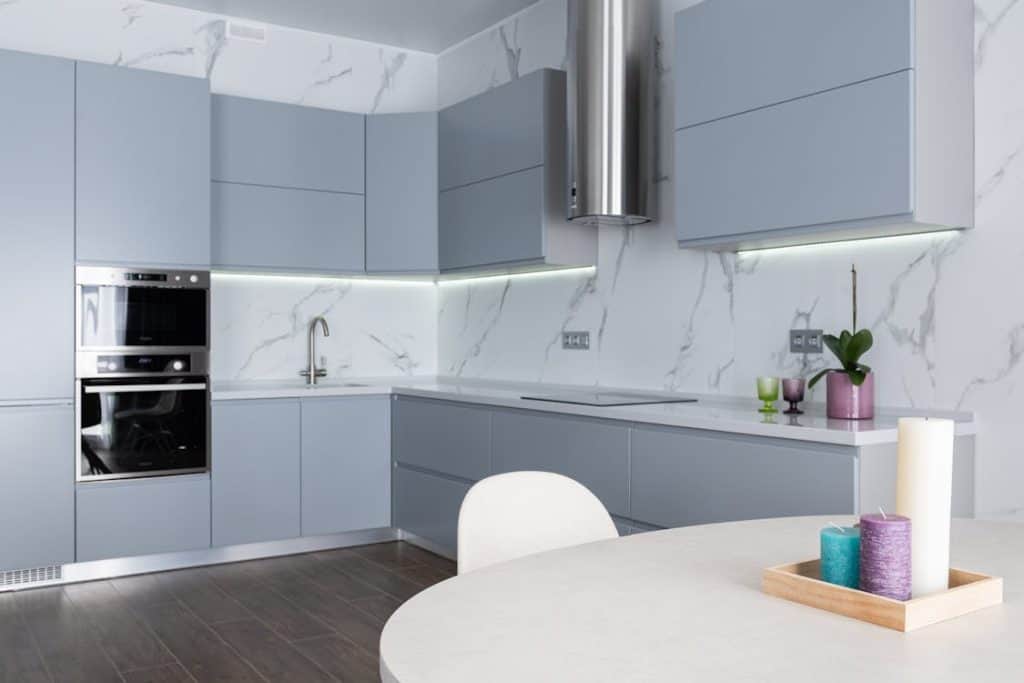
Selecting kitchen cabinets shapes both the look and daily flow of a kitchen. The right choice brings ease when cooking and makes guests notice small thoughtful touches.
Budget storage needs and personal style will guide the decision making process without leaving you overwhelmed. Casey’s Kitchens can help you refine your choices, ensuring that both functionality and style are seamlessly integrated into your space.
Set A Realistic Budget
Start by setting a budget that fits your finances and plans and write down top priorities so money goes toward what matters most. Cabinets can span bargain to high end in price so thinking about long term wear and resale value will help you avoid rash spending.
If funds feel tight pick essential upgrades first and leave fancy panels or glass doors for later when the purse loosens up; buy quality where it counts. On a shoestring budget you can still pick durable stock options and then tweak knobs and paint for a fresh look without breaking the bank.
Measure Space And Storage Needs
Accurate measurement gives a firm starting point for layout choices so note length height and depth carefully and mark windows doors and appliances. Think about what you store from large platters to spice jars and plan for tall pantry sections open shelving or deep drawers that match those needs.
Allow walking space by following clearance guidelines near islands and cooktops and mark rough in points for plumbing and electrical to avoid surprises on install day. If you feel unsure sketch a rough plan or use basic apps to preview how cabinets will sit in the room before you lock in a purchase.
Pick A Construction Material
Material choice drives how cabinets wear how they look and what tools the installer will use so learn the basics about solid wood plywood and particle board. Solid wood offers warmth and can be refinished but timber moves with humidity; plywood stands up to moisture better and particle board brings a lower price point for light use.
Overlay traits such as frame and panel joinery and the type of adhesive and fasteners matter when heavy drawers will hold cookware and dishes. Think long term and match material to climate household habits and the level of daily use the kitchen will face.
Select A Door Style
Door style defines the visual voice of your kitchen and ranges from plain flat panels to ornate raised panels and framed shaker looks that read classic. Shaker doors remain a safe bet with broad appeal while flat slab doors give a modern clean line that suits minimalist schemes.
Glass inserts and open shelving can break up solids and add display space for glassware while beadboard or applied moldings add old world charm in older homes. Match door proportion to ceiling height and other architectural cues so the result feels intentional rather than pieced together.
Choose A Finish And Color
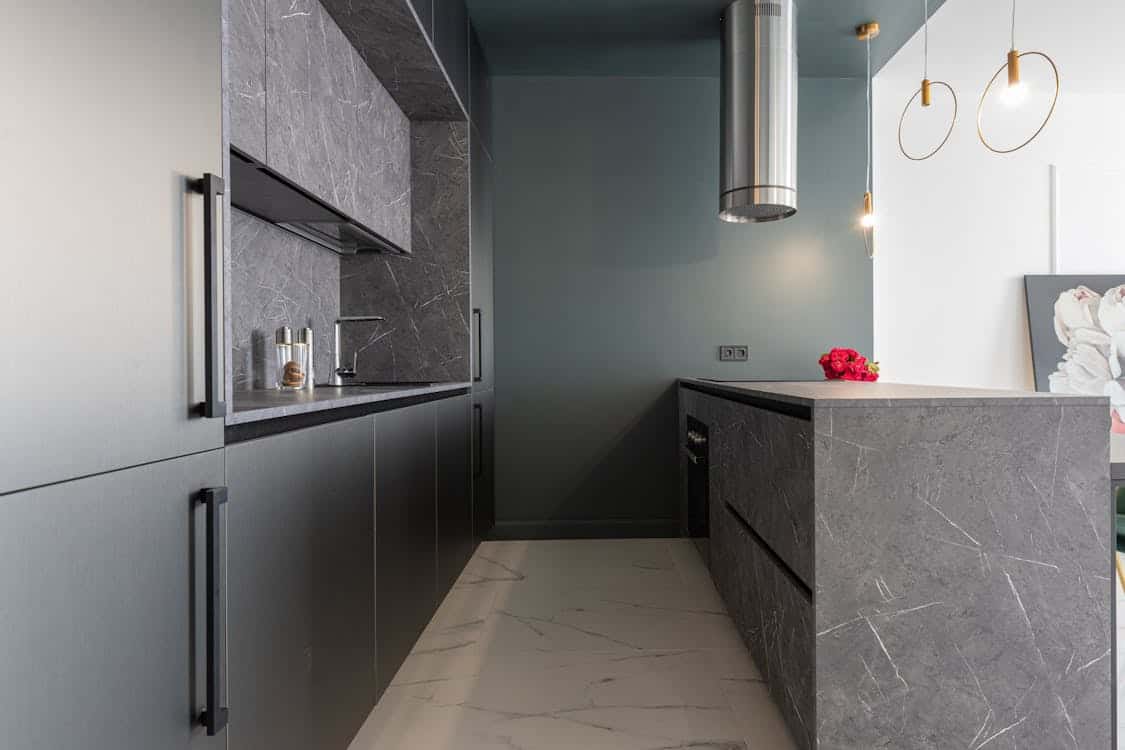
Finish and color set mood so pick tones that work with countertops floors and light levels and test samples in both morning and evening light. Painted finishes can hide inconsistencies and offer a crisp uniform look while stained wood highlights grain and warms a space with natural texture.
Matte and gloss levels change how smudges and wear show up so select pragmatically for a busy household with kids or pets. If you want contrast try two tone schemes with a darker island bank and lighter wall cabinets to add depth without screaming for attention.
Decide On Hardware And Accessories
Hardware gives cabinets personality and can be switched out later for a fresh update so pick handles hinges and drawer slides that feel good in the hand and hold up over time. Soft close hinges and full extension slides improve daily life and small items like spice racks tray dividers and pull out bins can transform cramped spaces into easy reach zones.
Match finish metals with plumbing fixtures or light fittings for a coherent look and test how a knob reads on a sample door before making the full purchase. A few smart accessories often bring more bang for the buck than elaborate face frame changes and they will cut down daily friction in food prep.
Think About Function And Layout
Function trumps style when the kitchen is the main hub for cooking and cleanup so map out work zones like prep cook and clean areas to keep traffic moving. The triangle idea works for many kitchens with stove sink and fridge placed to avoid long runs and unnecessary bumping when several people are present.
Drawers for pots and pans lower shelves for appliances and vertical dividers for baking trays can cut the time spent hunting for items and make the space hum. If multiple cooks share the room plan separate zones and clear sight lines so the kitchen feels roomy rather than tight.
Plan For Installation And Timing
Lead times for cabinets can vary widely so check with suppliers on production windows and align installation with other trades to avoid waiting days with a torn up kitchen. Prepare the site by confirming plumbing and electric rough ins are in the right place and label boxes on delivery to speed work on site.
If you choose field measured custom work expect adjustments on site and set aside a few buffer days for finish work and hardware fitment. A clear calendar and steady communication with the installer will keep the project moving and reduce surprises that add stress.
Compare Brands And Warranties
Brand reputation and warranty terms speak to how a maker stands behind its product so read fine print on finishes hinges and drawer mechanisms before you buy. A longer warranty tied to normal residential use offers peace of mind while short limited coverage may leave you paying for repairs later on.
Look for reviews from homeowners with similar installation types and note how a brand handles return calls and replacement parts in real situations rather than just glossy catalogs. Price matters but true value lands where quality support and materials meet a fair cost so factor in service as part of what you pay.
Work With A Designer Or Contractor
A good designer or experienced contractor can save money by avoiding costly mistakes and can often suggest small tweaks that yield big gains in storage or flow. Bring photos of rooms you like and a list of must haves so the pro can match options to your life rather than chase quick trends.
If you hire a pro for measure and layout ask for a written plan with elevations and a material list to match expectations before work starts. Clear roles and a transparent estimate reduce friction and make it easier to resolve any issues that arise during the build.