
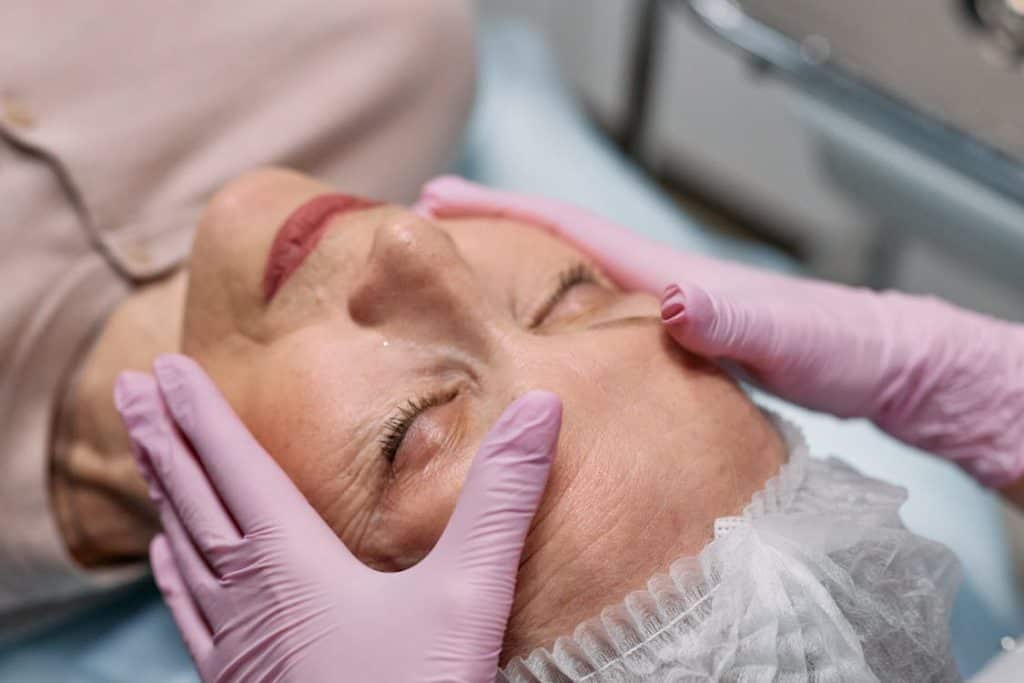
Aging shows up on the skin in ways that can be frustrating and slow to reverse, and many people want a method that feels both modern and proven. Laser resurfacing uses focused light to refresh skin texture and tone while sparking internal repair, which makes it stand out in a crowded field of options.
The process blends clinical precision with predictable outcomes, so results are not left to chance. For many, the promise of clearer, firmer skin without long stretches of recovery is hard to ignore.
For those exploring treatments, consulting a clinician about the range of laser resurfacing options can help match the approach to your skin type and goals.
How Laser Resurfacing Works
Laser resurfacing uses concentrated pulses of light to remove old layers of skin while delivering controlled thermal energy to underlying tissue, prompting repair and renewal. Ablative approaches vaporize damaged surface cells in a careful way, and non ablative methods heat deeper layers without opening the surface, each with a distinct balance of recovery and effect.
Energy triggers a cascade of cellular responses that includes collagen synthesis, increased blood flow, and gradual resurfacing that brings fresh cells forward. The result is a sequence of visible changes that reads like a step by step refresh rather than an abrupt fix.
Targets Wrinkles And Fine Lines
Lines around the eyes and mouth form when collagen and elastin lose spring and structure, and laser resurfacing treats those layers directly to smooth visible marks. By renewing the skin surface and tightening deeper tissue, the appearance of static folds is reduced while texture becomes more even and reflective of healthier tissue.
Many patients report fewer creases and a softer look that seems natural rather than pulled, which keeps expressions intact. Treatment programs can be adjusted so that results match personal goals for subtlety or for a stronger change.
Stimulates Collagen And Elastin Production
One of the more important effects of laser work is stimulating new collagen and elastin, the building blocks of youthful skin, which leads to longer lasting firmness. The thermal stimulus sends a signal to fibroblasts to ramp up production, and that slow build gives improvements that continue for months after a procedure.
With growth and remodeling, skin gains density and resilience, which reduces sag and improves the way light plays off the face. This internal rebuilding means the visible gains are not just surface deep but rooted in structural change.
Improves Pigmentation And Sun Damage
Brown spots and uneven tone often reflect years of sun exposure, and targeted laser wavelengths break up pigment while encouraging healthy turnover. When excess melanin is disrupted, pigment fades and new, evenly pigmented cells rise to the surface, leading to a clearer canvas.
Laser treatments can be tuned for patches that range from mild freckling to stubborn age spots, and many people see a notable shift in overall brightness. Fading discoloration and smoothing texture together create a more uniform and youthful complexion.
Customizable For Many Skin Types
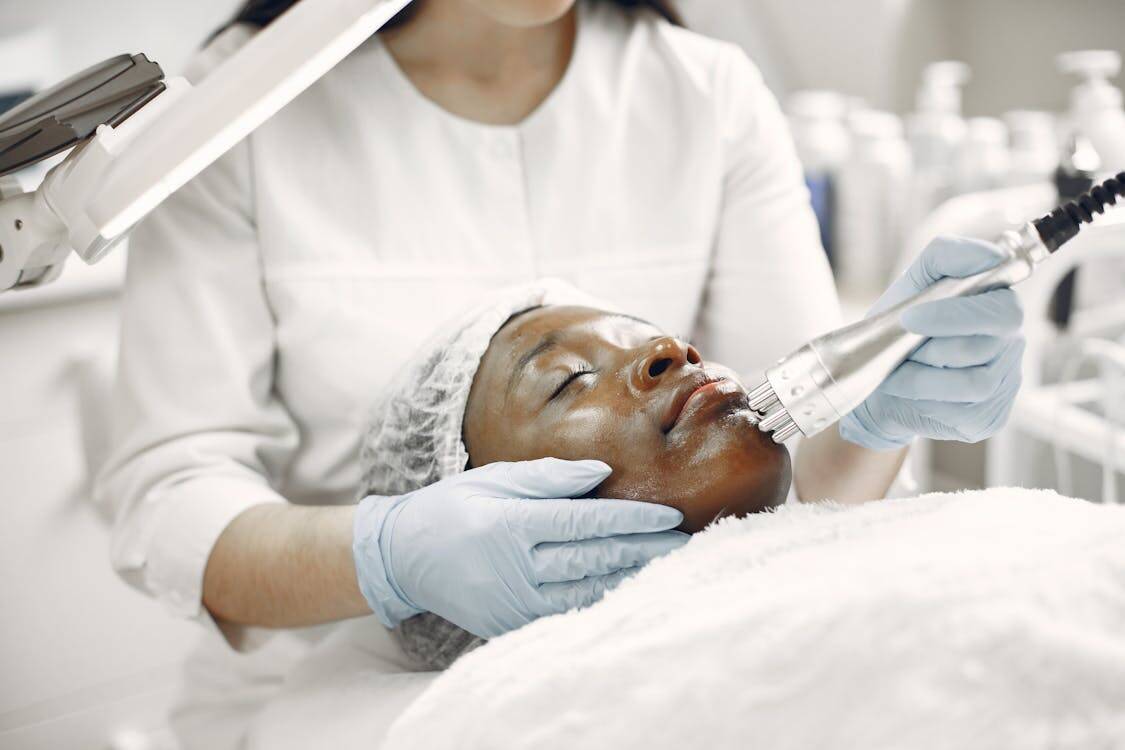
Clinicians can adjust energy levels, pulse duration, and treatment depth to match skin type and desired outcome so that a plan feels personal rather than one size fits all. Devices and protocols have evolved to offer safer options for people with different pigment levels, with careful assessment reducing the chance of unwanted reaction.
Combining topical prep and staged sessions helps manage risk while building toward visible change, and tests prior to treatment guide the way. That flexibility means more people can access meaningful improvement without a cookie cutter approach.
Minimal Downtime With Noticeable Results
Many newer laser approaches are intended to deliver a strong cosmetic benefit while keeping recovery time reasonable, so patients can return to daily life in a shorter span. Fractional systems treat columns of skin in a pattern, letting untreated areas speed healing, while deeper sessions are scheduled with recovery expectations clearly explained.
For those balancing work and family life, the trade off of a few days of redness for weeks of improvement often feels worthwhile. Results often appear in stages, giving a steady sense of progress rather than a dramatic overnight shift.
Safer Profile When Performed By Trained Clinicians
The skill of the person operating the laser matters as much as the device itself, and experienced clinicians use careful planning and monitoring to reduce risks. Proper assessment, informed consent, and precise technique help prevent complications such as prolonged irritation, pigment changes, or infection.
Follow up care and clear instructions about sun protection and topical support further protect the investment of time and money. When the team has a track record and a methodical workflow, outcomes tend to be both better and more predictable.
Cost Efficiency And Longevity Compared With Other Options
While up front expense can be greater than single session injectables, laser resurfacing can deliver broader benefits that extend beyond smoothing a single line, which shifts the value equation over time. Many patients find fewer maintenance appointments are required after a course of sessions, and the structural improvements to skin quality mean gains persist for months to years.
Compared to therapies that only address one concern, a comprehensive resurfacing approach treats tone, texture, and firmness in one program, which often makes sense financially and practically. When weighing options, people often prefer a treatment that asks for patience up front and pays dividends later.