
Dental bonding is a straightforward cosmetic fix that can reshape a tooth, mask a stain, or close a small gap with a tooth colored resin. The technique is quick in many cases and often done in a single visit to the dental chair, which makes it an attractive option when time is tight.
People weigh the look, cost, and upkeep when they choose between bonding and other routes, and a small test of fit can tell you a lot. If you want a clear sense of what to expect and whether it fits your smile goals, the notes below will guide you through the main points.
What Dental Bonding Is And How It Works
Dental bonding uses a soft composite resin that is sculpted onto the tooth surface and then hardened with a light beam to lock it in place. The dentist first roughens the tooth surface and applies a mild adhesive so the resin sticks well, and then shapes the material to match the adjacent teeth.
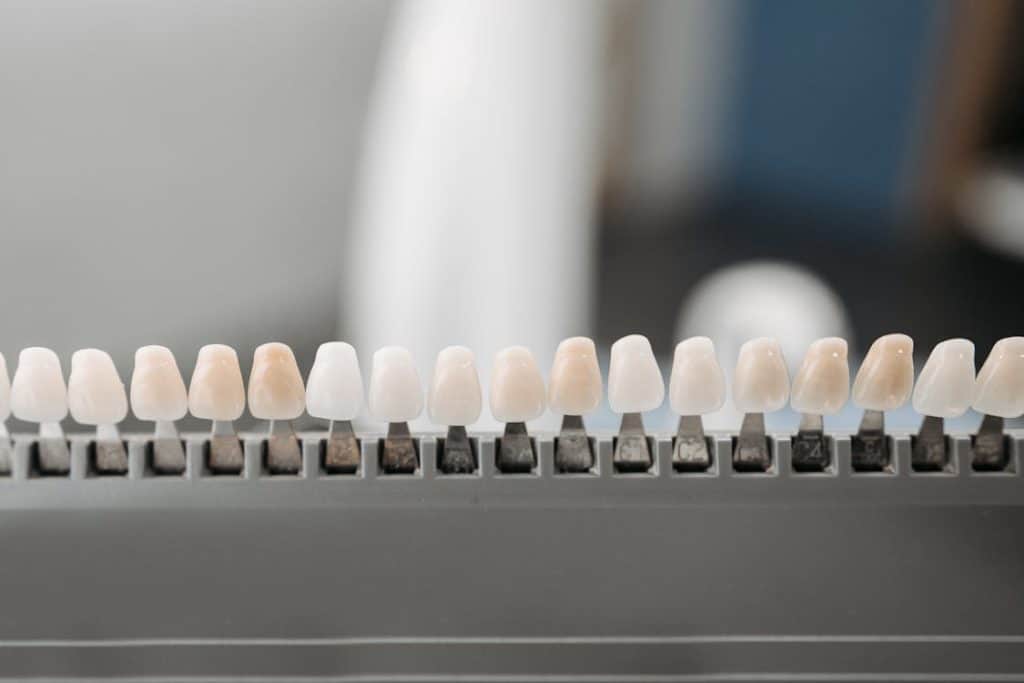
Color matching is part science and part art, and a good match makes the repair blend so it does not draw the eye. The repair sits on the surface of the natural tooth and can be sanded and polished to mimic enamel sheen.
Common Reasons People Choose Bonding
Many choose bonding to fix chips, narrow gaps, or teeth with small surface stains that do not respond to normal whitening. It is a low fuss route when a patient wants a quick cosmetic touch up without reshaping lots of enamel.
Some folks seek bonding after wear from grinding, because a small rebuild can stop further rough edges and restore a sense of youth to the smile. Cost and speed are often the key drivers that put bonding on the table as an option.
Who Makes A Good Candidate For Bonding
Ideal candidates have generally healthy gums and teeth and want to alter small imperfections rather than overhaul their whole smile. People with large fillings, heavy decay, or severe bite problems might not get durable results from surface bonding alone and often need other fixes first.
If you grind your teeth at night and cannot stop, your new resin could chip quicker than expected, so discussing a protector might be part of the plan. A dentist can assess enamel volume, bite forces, and smile goals to gauge how well bonding will hold up.
When Bonding Might Not Be The Best Option
If a tooth has deep internal staining that sits below the surface, a veneer or crown may give a more reliable color change over time. Teeth with major structural damage often need a more robust rebuild so that biting forces do not compromise the repair.
People who want a permanent change for many teeth may find that the ongoing upkeep of bonding does not match longer term plans. If the bite is off and the crown length is reduced, then a fuller approach could be safer and more durable.
What To Expect During The Bonding Appointment

Appointments are often short and can be done with little or no numbing, which keeps the process simple and less stressful for many patients. The dentist trims the tooth surface slightly to help the material adhere, applies the resin in layers, and uses a curing light to set each layer so the build up stays stable.
Finishing involves shaping and a final polish to smooth out any rough edges and match the sheen of nearby teeth so the result reads as natural. You can usually walk out the same day with a changed smile and a checklist of home care tips to follow.
If you’re still unsure, it’s helpful to look at composite bonding teeth in Melbourne to get an idea of the final results you can expect from the procedure.
Care And Longevity Of Bonding
Bonded areas can last several years with gentle care and regular dental check ups that check for chips and wear. Avoid using the bonded tooth to open packaging or chew very hard items, since the resin is tougher than sugar but softer than natural enamel and can chip under strain.
Stains from coffee, tea, or tobacco can cling to resin more readily than to enamel, so occasional touch ups or refinishes may be needed to keep the shade fresh. Your dentist can buff the surface or replace the material when wear shows, and small repairs are often quick to complete.
How Bonding Compares With Veneers And Crowns
Bonding is conservative and preserves more of the natural tooth when compared with the removal needed for a veneer or crown, which is one reason many pick it as a first move. Veneers and crowns can offer unmatched color stability and protection when a tooth is weak, yet they require more visits and higher costs that some find off putting.
If you want a reversible or tweakable option that can be repaired in the chair, bonding fits that bill nicely, while more permanent restorations aim for durability and uniformity across multiple teeth. A balanced talk with your dentist will clarify trade offs tied to cost, time, and long term plans for your mouth.
Questions To Ask Your Dentist Before Booking
Ask about the expected life span of the bonding in your mouth and how much routine polishing could extend it so you have clear expectations. Request images of past cases that resemble your issue to see real outcomes and to spot a style that fits your taste.
Clarify whether any pre existing treatments or habits might shorten the repair life and what protective steps your dentist would recommend to keep the repair intact. Finally, get a straightforward cost estimate for the initial work and any likely touch ups so the financial side does not blindside you.